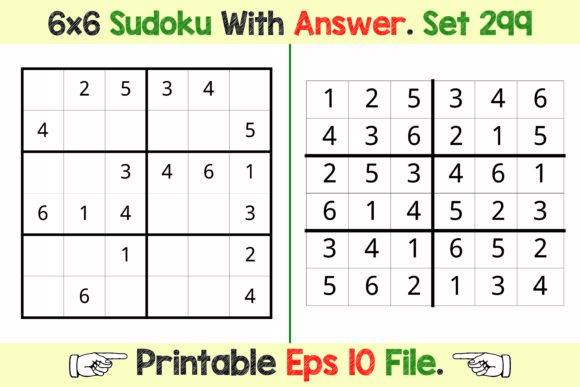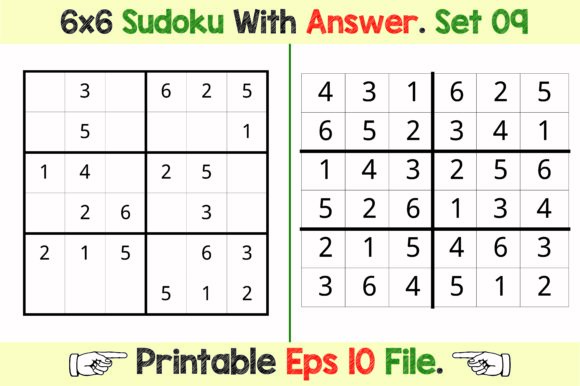
KDP Interior: Sudoku Puzzle Games for Publishers
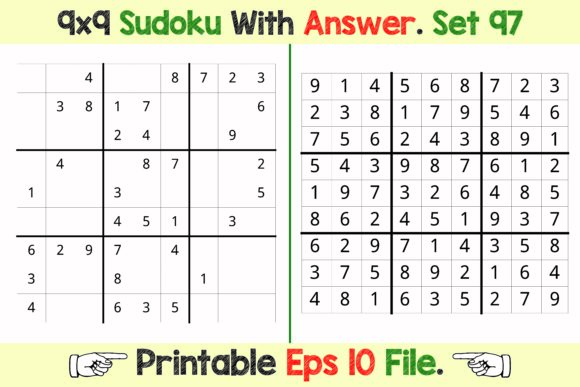
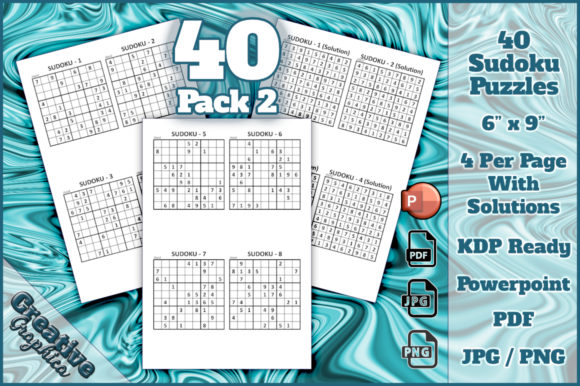
Creating a successful low-content or medium-content book on Amazon KDP requires more than just generating random grids. The market for puzzle books is mature, and readers have developed specific expectations regarding layout, difficulty progression, and print quality. When you utilize a professional KDP Interior - Sudoku Puzzle Games template, you are not merely acquiring a collection of puzzles; you are securing a production-ready asset that bridges the gap between creative concept and technical compliance. The inclusion of both an EPS file and a high-resolution JPEG file provides a dual-layer advantage that caters to both designers who need editability and publishers who require immediate deployment.
The Strategic Value of Dual-Format Assets
Understanding why you receive both vector and raster formats is essential for maximizing your return on investment. Many creators mistakenly believe that a PDF or JPEG is sufficient for all publishing needs. However, the EPS (Encapsulated PostScript) format serves as the master source file. This vector-based format ensures that every line, number, and grid border remains mathematically crisp at any size. For KDP interiors, where print clarity determines customer reviews, this is non-negotiable. Vector lines prevent the pixelation or blurring that often occurs when scaling raster images, ensuring your puzzle grids look sharp whether printed in a 6x9 paperback or an 8.5x11 large-print edition.
The JPEG file acts as your rapid prototyping and marketing asset. While you should ideally use the EPS or a PDF export derived from it for the final interior upload to ensure text selectability and print fidelity, the JPEG allows for quick visualization. You can instantly mock up cover designs, create social media teasers, or test different layout arrangements without opening complex vector software. This separation of assets streamlines the workflow: use the JPEG for planning and promotion, and the EPS for precision manufacturing.
Customization Strategies for Market Differentiation
A raw Sudoku interior is a foundation, not a finished product. To stand out in a saturated category, you must adapt the template to serve a specific niche. The EPS file empowers you to modify the aesthetic language of the puzzles to match your brand identity. Consider adjusting the stroke weight of the grid lines. Thinner, lighter gray lines create an elegant, minimalist feel suitable for adult relaxation books, while bolder, darker lines improve accessibility for seniors or visually impaired solvers. These subtle typographic choices signal to the buyer that the book was designed with their specific experience in mind.
Beyond aesthetics, structural customization drives engagement. Use the editable nature of the EPS file to integrate instructional elements directly into the puzzle pages. Instead of relegating rules to a front matter page that readers might skip, embed concise tips or solving techniques in the margins or footer of the first few puzzle spreads. This transforms a generic puzzle book into an educational resource. For creators targeting specific demographics, such as travelers or commuters, you might adjust the margin sizes to accommodate spiral binding or add tear-out perforation guides, features that are easily implemented when working with the original vector source.
Niche Adaptation Examples
- Educational Workbooks: Increase font size and add ample whitespace for student notes. Incorporate thematic icons related to math or logic within the header design using the vector layers.
- Mindfulness Journals: Pair Sudoku grids with affirmations or breathing exercise prompts. The clean lines of the EPS asset allow it to coexist harmoniously with organic, hand-drawn illustration elements.
- Senior Activity Books: Prioritize high contrast and large print. Modify the grid spacing to reduce visual crowding, making the puzzles accessible for those with dexterity or vision challenges.
- Travel Companions: Optimize for portability by creating a compact trim size. Use the vector file to ensure legibility is maintained even when the physical page area is reduced.
Technical Excellence and Print Compliance
The primary reason many KDP puzzle books fail is technical rejection or poor print reproduction. Working with the provided EPS file mitigates these risks significantly. Vector graphics are resolution-independent, meaning they adhere strictly to KDP’s printing standards regardless of output device. When preparing your interior, always verify that your black values are set correctly. Pure black (C0 M0 Y0 K100) is standard for text and lines, but if you introduce colored elements for branding, ensure they fall within CMYK safe zones to prevent color shifting during the digital printing process.
Organization is equally important. A professional KDP Interior - Sudoku Puzzle Games asset should be layered logically. Before beginning your customization, take time to rename layers and group related elements. Separate the puzzle numbers from the grid structure, and keep decorative elements on their own layer. This discipline saves hours of frustration later, especially if you plan to create a series of books. Consistent layer management allows you to swap out headers, footers, or branding elements across multiple titles without accidentally altering the core puzzle geometry. This systematic approach is what separates hobbyists from professional self-publishers.
Expanding Beyond Single-Platform Publishing
While KDP is the primary destination, the versatility of EPS and JPEG formats extends your revenue potential. The same high-quality interior used for Amazon can be adapted for Etsy digital downloads, Teachers Pay Teachers resources, or direct sales through Shopify. For digital products, the JPEG serves as an excellent preview image, while the EPS (or a secured PDF exported from it) becomes the deliverable. Educators can extract individual puzzles to create classroom worksheets, licensing the content for institutional use rather than consumer retail.
Marketing efforts also benefit from this dual-format approach. Create cohesive promotional materials by pulling elements directly from the interior EPS. Use the exact grid style and typography in your Amazon A+ Content, social media ads, and email newsletters. Visual consistency builds trust; when a potential buyer sees the same clean, professional aesthetic in your marketing as they do in the "Look Inside" preview, conversion rates typically improve. The JPEG file makes this easy for non-designers, allowing you to drag and drop authentic interior previews into Canva or other marketing tools without losing quality.
Sustainable Workflow and Long-Term Value
Investing in a quality KDP Interior - Sudoku Puzzle Games template is an investment in sustainable production. Rather than regenerating new puzzles from scratch for every title, you build a proprietary library of layouts and styles. Over time, you develop a signature look that readers recognize and seek out. This brand equity is impossible to achieve if you rely on disparate, inconsistent free resources. The EPS file serves as your style guide, ensuring that book three in your series looks like it belongs with book one.
Remember that the goal is to facilitate creativity, not replace it. The template handles the tedious mathematics of grid alignment and margin safety, freeing your mental energy for curation, theme development, and audience connection. Whether you are a freelancer delivering client projects, a teacher creating supplemental materials, or an entrepreneur building a passive income stream, the combination of editable vectors and ready-to-use rasters provides the flexibility needed to execute professionally. By respecting the technical requirements and leveraging the creative possibilities of these formats, you transform a simple puzzle game into a polished, market-ready publication that delivers genuine value to its users.