KDP Interior - Sudoku: Ready-to-Use EPS and JPEG Files
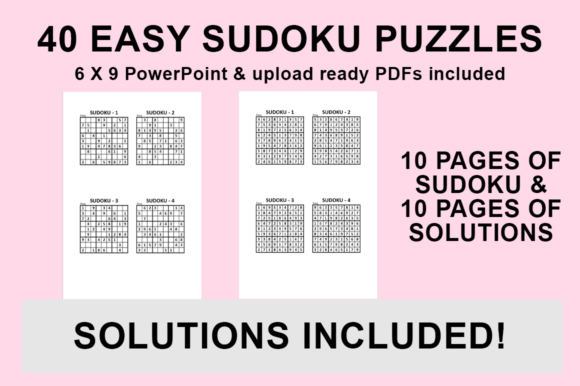
Creating a low-content book for Amazon KDP often hinges on the quality and technical accuracy of the interior files. When sourcing or creating a KDP Interior - Sudoku, the difference between a rejected manuscript and a published product usually comes down to file format and resolution. Having access to both an EPS file and a high-resolution JPEG provides the flexibility needed to navigate Amazon’s strict printing guidelines while maintaining creative control over the final layout.
Understanding the Dual File Format Advantage
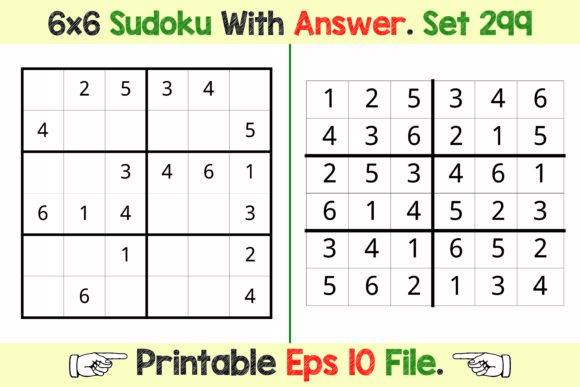
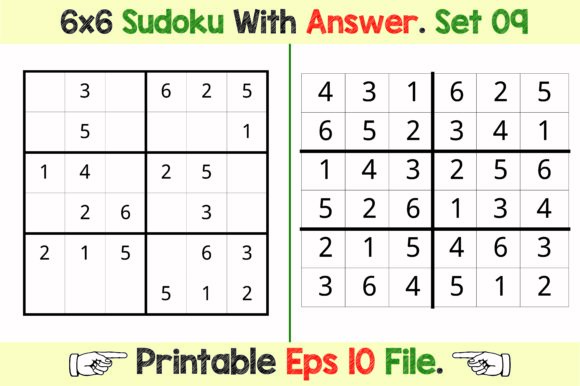
The inclusion of two distinct file types addresses different stages of the publishing workflow. The EPS (Encapsulated PostScript) file is a vector-based format that serves as the master source. Because it is vector-based, it can be scaled infinitely without losing quality, ensuring that every grid line and number remains crisp regardless of the trim size. This file is essential for creators who need to modify margins, adjust gutter space, or change the overall dimensions of the puzzle page to fit specific book sizes like 6x9 or 8.5x11 inches.
Conversely, the JPEG file acts as a flattened, rasterized backup. While less flexible for editing, a high-DPI JPEG is immediately compatible with almost all design software, including Canva, Affinity Publisher, and Microsoft Word. For users who do not own Adobe Illustrator or InDesign, the JPEG ensures they can still assemble a professional interior without learning complex vector software. This dual-delivery system bridges the gap between professional prepress standards and accessible self-publishing tools.
Priorities for Beginners and Hobbyists
For those new to KDP, the primary concerns are typically ease of use and risk reduction. A beginner might not understand bleed settings or safe zones, making a pre-formatted KDP Interior - Sudoku invaluable. In this context, the JPEG file is often the most practical asset. It allows a new publisher to drag and drop pages into a template, verify the visual layout instantly, and upload without worrying about font embedding errors or missing links.
Hobbyists creating books for personal use or small community groups also benefit from this simplicity. Their goal is often completion rather than commercial optimization. They prioritize speed and reliability over extensive customization. Having a ready-made interior eliminates the tedious process of manually drawing grids, allowing them to focus on curating puzzle difficulty levels or writing engaging introductions. For this group, the value lies in the time saved and the assurance that the basic structure is technically sound.
Strategic Value for Entrepreneurs and Marketers
Experienced KDP publishers and marketers approach sudoku interiors with a focus on scalability and brand differentiation. For these professionals, the EPS file is the critical component. It allows for bulk modifications across hundreds of pages. If a marketer decides to rebrand their puzzle series with a new header style or logo placement, they can edit the master vector file and export updated PDFs in minutes rather than redesigning each page individually.
Commercial viability also depends on uniqueness. Amazon’s algorithm favors distinct content. Professionals use the editable EPS file to alter grid thickness, add custom solution pages, or integrate branding elements that make their book stand out in search results. The ability to manipulate the source file transforms a generic asset into a proprietary product. Furthermore, entrepreneurs evaluate these assets based on long-term usefulness; a well-structured vector template can be repurposed for other platforms, such as Etsy digital downloads or printable worksheets, maximizing the return on investment.
Educators and Content Creators: Flexibility and Learning Value
Educators and tutors have a unique set of requirements that differ significantly from commercial publishers. When using a KDP Interior - Sudoku for classroom materials or cognitive therapy resources, presentation and adaptability are paramount. An educator may need to increase the font size for accessibility, widen the spacing for students with motor skill challenges, or add instructional text directly onto the puzzle page.
The vector nature of the EPS file supports these pedagogical adjustments without degrading print quality. Unlike a standard PDF where text might become pixelated when enlarged, vector elements remain sharp. This is crucial for creating inclusive learning materials. Additionally, educators often need to mix puzzle difficulties within a single volume. Access to the source file allows them to reorganize content logically, grouping easy puzzles for warm-ups and harder ones for advanced practice, rather than being locked into a pre-set sequence.
Evaluating Quality Beyond the Preview
Regardless of your role, assessing the technical quality of a sudoku interior requires looking beyond the thumbnail image. Several factors determine whether a file is truly "ready to upload" or will cause production headaches later.
- Line Weight Consistency: Check if the grid lines are uniform. In some auto-generated files, outer borders may be thicker than inner dividers, which can look unprofessional in print. Vector files allow you to standardize stroke weights globally.
- Gutter and Margin Safety: Verify that the puzzle grid respects the gutter margin. A common issue with pre-made interiors is puzzles sitting too close to the spine, making them difficult to write in. The EPS file should have clearly defined artboards or guides indicating safe zones.
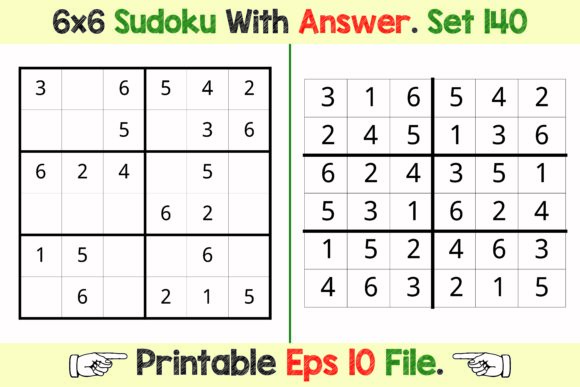
- Solution Page Formatting: Ensure solutions are legible and correctly aligned. Small, dense solution grids are a frequent complaint in reviews. High-quality interiors provide adequate white space and clear numbering.
- Color Mode Accuracy: Confirm the files are set to CMYK or true black-and-white grayscale. RGB colors can print unexpectedly dark or muddy on KDP’s standard black-and-white paper. The provided JPEG should be checked for proper contrast ratios.
Making the Right Choice for Your Project
Determining whether a specific KDP Interior - Sudoku package aligns with your goals involves honest self-assessment regarding your technical skills and project scope. If you lack vector editing software and have no intention of learning it, prioritize packages where the JPEG or PDF is already perfectly formatted for your target trim size. Attempting to force-fit a mismatched EPS file without the right tools can lead to more frustration than starting from scratch.
However, if you plan to build a long-term publishing business or require specialized formatting for educational purposes, investing time in utilizing the EPS file is necessary. The initial learning curve pays dividends in production efficiency and product quality. Consider your volume as well; producing a single activity book for a family reunion justifies using the simple JPEG route, whereas launching a twelve-book series demands the architectural stability of vector templates.
Ultimately, the best interior file is one that removes technical barriers rather than creating them. Whether you are a freelancer delivering client work, a teacher supporting student development, or an author building passive income, the combination of editable vectors and accessible rasters provides a comprehensive foundation. By understanding how each file type serves different functions within the publishing ecosystem, you can select resources that genuinely support your specific path to publication.