Evaluating a 6x9 Lined Notebook KDP Interior for Self-Publishing
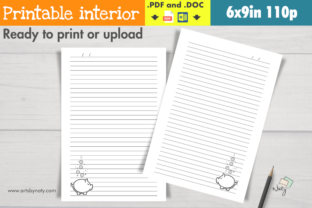
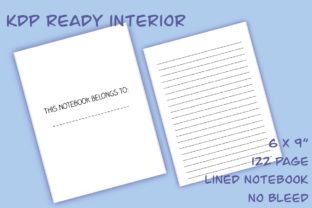
Selecting the correct interior file is one of the most critical technical decisions in low-content book publishing. A 6x9 lined notebook KDP interior represents the industry standard for trade paperback journals, offering a balance of portability and writing space that appeals to a broad demographic. When evaluating a pre-formatted PDF package designed specifically for Amazon KDP, publishers must look beyond the page count and understand how specific formatting choices impact print quality, user experience, and long-term sales potential. This evaluation focuses on a specific configuration: a no-bleed 6x9 interior featuring a dedicated cover page, a single blank transition page, and 120 lined pages.
Understanding the Standard 6x9 Format Specifications
The 6x9 inch trim size is widely considered the gold standard for commercial notebooks because it mirrors the dimensions of traditional mass-market paperbacks. This familiarity reduces friction for buyers who expect a journal to fit comfortably in standard bags, backpacks, and shelving units. When assessing a 6x9 lined notebook KDP interior, the "no bleed" specification is a primary factor. No bleed means all content, including lines and margins, sits safely within the printable area with a mandatory safety margin (typically 0.375 inches on the binding side and 0.25 inches on outer edges).
This constraint ensures that no text or ruling is trimmed off during the manufacturing process. While full-bleed interiors allow designs to extend to the paper's edge, they require precise alignment and often result in higher rejection rates during the automated review process. A no-bleed lined interior eliminates this risk, making it a pragmatic choice for publishers prioritizing consistency and speed over complex aesthetic layouts. The tradeoff is a visible white border around the entire page, which signals a clean, utilitarian design rather than an artistic one.
Analyzing Page Structure and Pagination Logic
The internal architecture of a notebook significantly influences customer reviews and perceived value. The specific configuration of a front cover page followed by one blank page before the 120 lined pages serves distinct functional purposes. The initial cover page acts as a title sheet or ownership identifier, separating the exterior branding from the functional writing space. The subsequent blank page functions as a necessary buffer.
In perfect-bound books, ink can sometimes show through thin paper stock, or the binding glue may affect the first usable sheet. By placing a sacrificial blank page between the title sheet and the lined content, the publisher protects the integrity of the primary writing surface. Furthermore, 120 pages is a strategic volume for this trim size. It provides substantial utility without pushing the spine width into a category that requires different cover calculations or increases printing costs disproportionately. For comparison, 80-page notebooks can feel insubstantial, while 200-page notebooks at 6x9 can become unwieldy and expensive to ship. The 120-page count sits in the optimal zone for perceived value versus production cost.
Benefits of Pre-Formatted PDF Interiors
Utilizing a ready-to-upload PDF removes the technical variables associated with creating interiors from scratch. Key advantages include:
- Gutter Margin Accuracy: Professional templates account for the inner gutter space required for binding. As page counts increase, the gutter must widen to prevent lines from disappearing into the spine crease. A verified template ensures readability across all 120 pages.
- Line Spacing Consistency: Standard college rule or wide rule spacing is mathematically distributed across the vertical axis. Manual creation often leads to cumulative errors where lines drift toward the bottom margin; pre-formatted files guarantee uniformity.
- File Compliance: KDP’s automated systems reject files with incorrect color profiles, embedded fonts, or improper dimensions. A validated PDF mitigates the risk of publication delays.
- Workflow Efficiency: For publishers managing multiple SKUs, standardized interiors allow for rapid scaling. Time spent on formatting is redirected toward keyword research, cover design, and marketing.
Tradeoffs and Limitations to Consider
While a standard 6x9 lined notebook KDP interior offers reliability, it lacks differentiation. The low-content market is saturated with identical specifications. Publishers relying solely on generic lined interiors must compensate through exceptional cover design and niche targeting. If the interior is indistinguishable from thousands of competitors, the cover bears 100% of the conversion burden.
Additionally, the no-bleed limitation restricts design flexibility. Publishers cannot add decorative headers, footers, or corner elements that touch the page edge. This format is strictly functional. Users seeking guided journals, prompt-based writing, or aesthetic scrapbooking elements will find this interior insufficient. It is also important to verify the line color and opacity. Some standard templates use pure black (#000000) lines, which can appear harsh on cream paper. Softer gray lines often provide a better writing experience and reduce visual fatigue, so evaluating the specific contrast of the PDF before upload is essential.
Situational Fit: When This Interior Aligns With Goals
This specific 6x9 lined configuration is a strong fit for several publishing scenarios. It is ideal for beginners learning the KDP ecosystem, as the simplified no-bleed setup minimizes technical failures. It is equally suitable for publishers creating series-based products where consistency across volumes is paramount. Academic notebooks, professional meeting logs, and gratitude journals that prioritize writing space over decoration benefit most from this layout.
The 120-page count specifically suits "quarterly" or "semester" use cases. A student using one notebook per class, or a professional tracking quarterly goals, finds this volume adequate without waste. If your target audience values utility, durability, and standardization, this interior meets expectations effectively. The inclusion of the title page and buffer page also signals a level of professionalism that distinguishes the product from amateur uploads that start lining immediately on page one.
When to Explore Alternative Configurations
Despite its versatility, this interior is not universally applicable. Publishers should consider alternatives in the following contexts:
- Large Print Accessibility: Seniors or visually impaired users require wider spacing and larger gutters. Standard 6x9 lined interiors often use spacing too tight for this demographic.
- Left-Handed Writers: Standard bindings can be uncomfortable for left-handed users. Spiral-bound alternatives or lay-flat formats may be necessary, though these fall outside standard KDP paperback capabilities.
- Premium Gift Markets: High-end stationery buyers expect thicker paper (70gsm+) and specialized features like ribbon markers or elastic closures. KDP’s standard 55# (90 GSM) white or cream paper may not meet luxury expectations.
- Specialized Niches: Music manuscript, graph paper, hexagonal grids, or logbooks require entirely different interior structures. Using a standard lined interior for these niches results in poor user satisfaction and negative reviews.
Making the Final Selection Decision
Evaluating a 6x9 lined notebook KDP interior requires matching technical specifications to audience needs. The combination of no-bleed safety, 120 pages, and structured front matter creates a reliable foundation for general-purpose notebooks. Success depends less on the interior itself and more on how well the publisher identifies a specific user need that this standard format fulfills. Before uploading, always download the proof copy or use KDP’s previewer to physically inspect margins, line darkness, and overall usability. A technically perfect PDF that fails to serve a defined purpose will not generate sustainable sales, but a well-targeted standard interior remains a viable component of a diversified publishing portfolio.