Evaluating Recipe KDP Interior Templates for Self-Publishing Success
Selecting the right interior template is one of the most critical technical decisions in self-publishing a cookbook or recipe journal. A Recipe KDP Interior serves as the structural foundation of your book, dictating not only how content is presented but also how efficiently you can produce the final manuscript. For publishers targeting the Amazon marketplace, pre-formatted interiors have become a standard resource to reduce layout time and ensure compliance with printing specifications. However, not all templates offer the same utility or aesthetic value. Understanding the specific configurations, file formats, and dimensional options available is essential for making an informed choice that aligns with your publishing goals.
Defining the Recipe KDP Interior Package
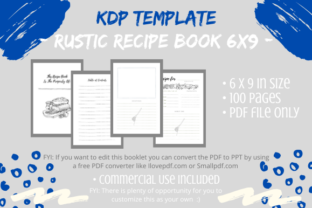
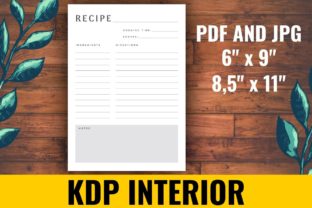
A comprehensive Recipe KDP Interior package is distinct from generic notebook templates because it is specifically engineered for culinary content. Unlike blank journals or wide-ruled notebooks, these interiors include designated fields for ingredients, preparation steps, cooking times, temperatures, and nutritional information. When evaluating current market offerings, the industry standard for a robust package includes 100 pages of unique, repeatable layouts designed to accommodate varying recipe lengths without wasting paper.
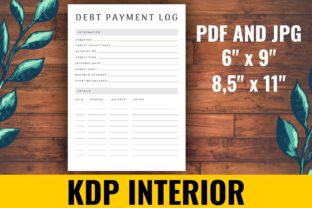
The availability of dual file formats—PDF and JPG—is a significant functional differentiator. While PDF is the mandatory submission format for Amazon KDP’s print-on-demand service, the inclusion of high-resolution JPG files adds versatility. Publishers often use JPG versions for digital marketing, social media promotion, or creating mockups for Etsy listings before the physical proof arrives. This dual-format approach bridges the gap between production and marketing, providing immediate visual assets alongside the print-ready manuscript. Furthermore, reputable templates are pre-set with correct bleed settings, margins, and gutter allowances, eliminating common rejection errors during the KDP upload process.
Dimensional Considerations: 6x9 vs. 8.5x11
Size selection is rarely a matter of preference alone; it is a strategic decision based on user experience and market positioning. The two primary sizes available for Recipe KDP Interiors serve distinctly different audiences and use cases.
- 6x9 Inch Format: This trim size is ideal for personal recipe journals, family heritage collections, or niche cookbooks intended for portability. It fits comfortably on standard kitchen counters and shelves. From a production standpoint, 6x9 books generally have lower printing costs, allowing for a more competitive retail price point. However, the limited width requires concise writing and smaller typography. This size is best suited for text-heavy recipes or minimalist designs where extensive photography is not the primary focus.
- 8.5x11 Inch Format: The larger format mimics traditional commercial cookbooks and offers superior usability for active cooking environments. The additional surface area allows for larger font sizes (crucial for readability while standing at a stove), wider ingredient columns, and ample space for notes or modifications. This size is preferable for complex recipes, baking guides requiring precise measurements, or books featuring integrated imagery. The tradeoff is a higher per-unit printing cost and reduced portability, but for a "working" kitchen reference, the utility often justifies the expense.
Comparing Pre-Made Interiors to Custom Design
Publishers frequently weigh the benefits of a pre-made Recipe KDP Interior against hiring a designer or creating a custom layout from scratch. Each path presents specific tradeoffs regarding budget, timeline, and exclusivity.
Custom Design: Commissioning a bespoke interior ensures complete uniqueness and brand alignment. You control every margin, font pairing, and decorative element. However, this route typically costs hundreds of dollars and requires multiple revision rounds. It is the necessary choice for high-volume commercial publishers building a recognizable series identity, but it creates a high barrier to entry for new authors or hobbyist compilers.
Pre-Made Templates: A quality Recipe KDP Interior template offers immediate deployment at a fraction of the cost. The primary advantage is speed; a manuscript can be assembled in days rather than weeks. The limitation is non-exclusivity. Other publishers may use the same base layout. To mitigate this, experienced self-publishers treat the template as a canvas rather than a finished product. By adding custom headers, footers, introductory sections, and unique cover art, the interior becomes sufficiently differentiated while retaining the professional structural integrity of the pre-made file.
Evaluating Layout Flexibility and Usability
Not all 100-page interiors are created equal. When comparing options, scrutinize the internal architecture beyond the page count. A practical evaluation checklist should include:
- Field Adaptability: Does the template force rigid categorization, or does it allow flexibility? Some interiors have fixed boxes for "Prep Time" and "Cook Time," which may not suit slow-cooker or fermentation recipes. Superior templates use open lines or modular sections that accommodate diverse culinary styles.
- Gutter Safety: Cookbooks are reference materials that must lay flat or remain readable near the binding. Verify that the inner margin (gutter) increases proportionally with page count. A template with insufficient gutter space will result in text disappearing into the spine, rendering the book frustrating to use.
- Writing Space Ratio: Balance is key. Too much white space wastes money on printing empty pages; too little makes the book feel cramped. Effective Recipe KDP Interiors strike a balance that encourages user interaction (notes, substitutions) without bloating the page count.
- Index and Table of Contents: Check if the 100 pages include front-matter and back-matter templates. A recipe book without an index or organized TOC significantly diminishes its value as a reference tool. Some packages include these as separate editable files, while others integrate them into the main pagination.
Technical Specifications and File Integrity
Understanding the technical delivery of these assets prevents downstream production issues. When a product description specifies "PDF and JPG," verify the resolution and color profile. Print-ready PDFs should be 300 DPI and typically in CMYK or grayscale color space to avoid unexpected color shifts during printing. JPG files included for marketing should maintain this resolution to ensure crisp mockups.
Additionally, confirm whether the PDF is flattened or layered. Flattened PDFs are safer for direct upload to KDP as they prevent font substitution errors or layer shifting. However, if you plan to edit the text fields extensively, a layered PDF or an editable source file (like InDesign or Canva link) provides greater long-term value. Purely static PDFs limit you to overlaying text using external software, which can be cumbersome for bulk entry. Assess your technical comfort level and workflow needs when choosing between static and editable versions.
When to Choose Alternative Solutions
While a standardized Recipe KDP Interior is efficient, it is not universally applicable. Recognizing when not to use a pre-made template saves wasted investment.
- Highly Visual Cookbooks: If your book relies on full-bleed photography or complex graphic design elements interspersed with text, a standard lined template will feel restrictive. These projects require custom layout design to integrate images organically.
- Non-Standard Trim Sizes: If your market research indicates a need for square (8.5x8.5) or landscape orientations to differentiate your brand, standard portrait templates will not suffice.
- Specialized Dietary Formats: Keto, vegan, or allergen-free cookbooks often require specific macro-nutrient tracking tables or certification badges that generic templates lack. Modifying a standard template to add these recurring elements can sometimes take longer than building a custom master page.
- Series Consistency: If you are launching a five-book series simultaneously, relying on a popular public template risks brand dilution. Investing in a proprietary template system early establishes visual coherence across the catalog.
Making the Final Selection Decision
The decision ultimately hinges on the intersection of budget, timeline, and product vision. For first-time publishers, gift book creators, or those compiling family recipes, a well-structured Recipe KDP Interior in either 6x9 or 8.5x11 format offers the optimal balance of professionalism and affordability. The 100-page count provides sufficient volume for a substantial book without excessive printing costs, and the dual file formats support both production and promotion.
For established authors or commercial imprints, these templates serve best as prototyping tools or interim solutions while custom assets are developed. Always request sample pages before purchase to verify paper weight compatibility, margin safety, and aesthetic alignment with your cover design. By approaching the selection process with clear criteria regarding usability, technical specs, and market fit, publishers can leverage these resources effectively while maintaining the quality standards readers expect in the culinary niche.