Evaluating Mandala 01 for Commercial Coloring Books and POD Projects
Selecting the right visual assets for Print on Demand (POD) and self-publishing requires a careful balance between aesthetic appeal and technical compliance. For creators targeting the adult coloring book market, Mandala 01 represents a specific category of hand-drawn digital art designed to bridge the gap between artistic authenticity and commercial utility. Unlike generic vector packs or AI-generated patterns, this asset focuses on the organic imperfections of hand illustration while adhering to strict production standards. Understanding where this specific mandala fits within your broader design strategy involves analyzing its technical specifications, licensing scope, and stylistic attributes against other available resources.
Technical Specifications and Production Readiness
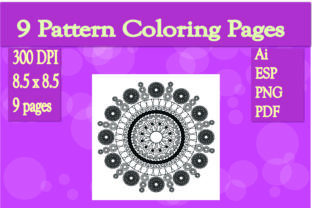
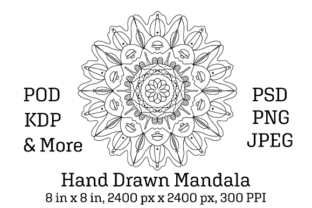
The primary differentiator for any POD asset is not just how it looks on a screen, but how it performs during physical printing. Mandala 01 is engineered specifically for high-resolution output, provided at 2400px x 2400px (8 inches x 8 inches) at 300 PPI. This resolution is the industry baseline for professional coloring books. When comparing this to standard web graphics or lower-tier stock assets, the distinction is critical. Assets below 300 PPI often result in pixelation or blurring when printed on matte paper, which is common in KDP and IngramSpark publications. The 8x8 inch square format also offers significant layout versatility, fitting perfectly into standard 8.5x8.5 or 8x10 trim sizes with appropriate margins, without requiring upscaling that degrades line quality.
The file delivery includes three distinct formats, each serving a specific workflow purpose:
- PSD File: Essential for creators who need to adjust line weight, remove stray marks, or integrate the mandala into a larger composite design. The layered nature of PSDs allows for non-destructive editing that flattened images cannot support.
- PNG with Transparent Background: Ideal for placing the mandala over colored backgrounds or combining multiple elements without manual masking. This format preserves the anti-aliased edges of the hand-drawn lines, preventing the "white box" effect common with JPEGs.
- JPEG File: Useful for quick previews, digital mockups, or platforms that do not support transparency. However, for final print production, the PNG or PSD is generally superior due to lossless compression.
Hand-Drawn Authenticity Versus Digital Precision
A key decision factor for coloring book creators is choosing between hand-drawn aesthetics and digitally constructed symmetry. Mandala 01 falls firmly into the hand-drawn category. This distinction matters significantly for audience reception. Adult colorists often seek out hand-drawn mandalas because they offer organic variations in line thickness and subtle asymmetries that feel more human and less sterile than mathematically perfect vector art.
When evaluating alternatives, consider the tradeoffs inherent in each style:
- Vector Mandalas: These are infinitely scalable and perfectly symmetrical. They are excellent for merchandise like t-shirts or mugs where geometric precision is valued. However, in coloring books, they can sometimes appear repetitive or mechanical. If your target audience prefers meditative, organic experiences, pure vectors may lack the necessary warmth.
- AI-Generated Patterns: While rapid to produce, AI mandalas often suffer from logical inconsistencies, such as lines that merge inexplicably or closed loops that make shading difficult. Hand-drawn assets like Mandala 01 typically possess intentional line closure and deliberate negative space, making them more functional for actual coloring rather than just visual decoration.
- Rasterized Stock: Many stock sites offer pre-colored or shaded mandalas. These are unsuitable for coloring books unless you intend to use them as cover art. Mandala 01’s uncolored, clean-line state is specifically optimized for end-user interaction.
If your project demands absolute geometric perfection for technical diagrams or corporate branding, a hand-drawn asset may be too loose. However, for wellness journals, mindfulness activity books, and creative therapy resources, the tactile quality of Mandala 01 aligns better with user expectations.
Licensing Scope and Commercial Viability
For POD sellers and KDP publishers, licensing is often more important than the art itself. Mandala 01 comes with a Commercial Use License with Full POD Usage Allowed. This specific permission structure removes the ambiguity that plagues many creative projects. It is vital to distinguish this from "Personal Use Only" or "Limited Commercial" licenses found on some free or low-cost platforms.
Full POD usage typically permits:
- Inclusion in physical coloring books sold via Amazon KDP, Barnes & Noble Press, or Lulu.
- Application to physical products like notebooks, planners, and greeting cards.
- Digital downloads where the mandala is part of a larger value-added product (e.g., a printable journal).
However, creators must always verify the specific terms regarding standalone resale. Most commercial licenses, including those for hand-drawn mandalas, prohibit selling the raw digital file as-is. The value must be added through compilation, formatting, or integration into a physical product. Compared to subscription-based stock services where attribution is often required or POD rights are capped at a certain number of units, a perpetual commercial license for a specific asset like Mandala 01 offers long-term cost efficiency for evergreen products. There are no recurring fees or royalty splits, making the unit economics more favorable as sales volume increases.
Strategic Fit: When to Choose Mandala 01
Determining whether this specific asset is the right choice depends on your current production stage and design needs. Mandala 01 is best suited for creators who require a reliable, high-quality centerpiece or filler element that guarantees print safety and legal compliance.
Ideal Use Cases:
- KDP Interior Fillers: When you need consistent, high-resolution content to reach minimum page counts without compromising quality.
- Cover Design Elements: The 8x8 size provides ample coverage for square-format book covers, allowing for title placement in negative space.
- Mixed Media Journals: Combining lined pages with intermittent coloring pages requires assets that match the paper weight and bleed settings of text pages; the standardized sizing here facilitates that alignment.
- Branding Consistency: If you are building a series of mindfulness products, using a cohesive hand-drawn style across multiple items creates brand recognition that disparate stock photos cannot achieve.
Situations Requiring Alternatives:
- Large Format Wall Art: If you plan to print posters larger than 16x16 inches, an 8x8 source file at 300 PPI will need to be upscaled. While possible with modern AI upscalers, native vector art or higher-resolution sources are preferable for gallery-quality prints.
- Editable Geometry: If you need to change the number of petals or alter the fundamental symmetry, a rasterized hand-drawn file is limiting. You would need a source vector file or generative tool for structural modifications.
- Budget-Conscious Hobbyists: If the project is strictly personal and will never be sold, free resources or personal-use licenses may suffice. The premium for commercial POD rights is only justified by revenue-generating intent.
Evaluating Quality Beyond Resolution
Resolution and licensing are binary metrics; artistic quality is nuanced. When assessing Mandala 01 against competitors, examine the line integrity. In hand-drawn digital art, poor scanning or digitization can result in jagged edges, gray artifacts, or inconsistent stroke weights. A high-quality hand-drawn mandala should have crisp, black lines against a pure white or transparent background. This ensures that when printed on cream or off-white paper (common in KDP standard color), the contrast remains sharp.
Additionally, consider the complexity level. Adult coloring books vary widely from simple, bold-line designs for seniors or beginners to intricate, fine-line patterns for advanced colorists. Mandala 01 occupies a specific niche in this spectrum. Review the thumbnail and preview files to ensure the density matches your target demographic. Using an overly complex mandala in a relaxation journal intended for stress relief can be counterproductive, while a too-simple design may fail to engage experienced artists. The ability to edit the PSD allows for some customization—such as thickening lines or erasing inner details—but the base complexity should align with your product vision from the start.
Making the Final Decision
Ultimately, the choice to incorporate Mandala 01 into your workflow should be driven by production requirements and audience alignment. It offers a pragmatic solution for POD creators who prioritize print-ready specifications and clear commercial rights over infinite customizability. By providing PSD, PNG, and JPEG formats at industry-standard dimensions, it reduces prepress friction and minimizes the risk of rejection from publishing platforms.
Compare this asset not just against other individual mandalas, but against the time cost of creating original hand-drawn art or the legal risk of using improperly licensed alternatives. For professionals aged 20–50 managing multiple SKUs or building a passive income portfolio, the efficiency of a verified, high-spec asset often outweighs the marginal savings of lower-quality options. Evaluate your current library gaps, confirm the stylistic match with your existing catalog, and leverage the included file types to maximize flexibility across both print and digital product lines.