Evaluating the KDP Interior - Rustic Recipe Book for Low-Content Publishing
The low-content and medium-content publishing market on Amazon KDP has matured significantly, moving beyond simple lined journals to specialized, niche-specific interiors. For publishers targeting the culinary and home organization demographic, the KDP Interior - Rustic Recipe Book represents a functional starting point for creating customized cookbooks. This digital asset is designed specifically for the 6 x 9 inch trim size with no-bleed specifications, addressing one of the most common formatting hurdles for new publishers. Understanding the practical application, necessary customization workflows, and strategic value of this template is essential for anyone looking to produce a viable product in a saturated category.
Technical Specifications and File Management
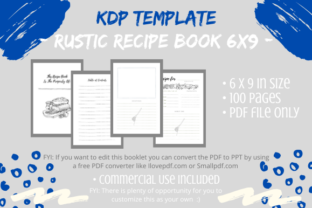
This resource is delivered as a single PDF file containing 100 pages. The 6 x 9 inch dimension is a standard trade paperback size that balances portability with sufficient writing space, making it ideal for recipe collections. The "no-bleed" specification is a critical technical detail; it ensures that all design elements remain within the safe zone, eliminating the risk of content being trimmed during the printing process. This simplifies the upload process and reduces proofing errors for creators who may not have advanced prepress experience.
Because the source file is a PDF, direct editing requires a specific workflow. While PDFs are typically final output formats, this template is intended to be converted to an editable format like PowerPoint (PPT) using free online conversion tools. This approach lowers the barrier to entry for publishers without expensive software like Adobe InDesign. However, reliance on third-party converters introduces variables in formatting fidelity. Before beginning any modification, it is professionally recommended to create a duplicate copy of the original PDF. Maintaining an unaltered master file ensures you always have a clean baseline for future projects or troubleshooting, preventing accidental corruption of the source asset.
Interior Structure and Layout Analysis
The internal architecture of the KDP Interior - Rustic Recipe Book follows a logical hierarchy suitable for functional use. The inclusion of specific front matter distinguishes this from generic notebooks:
- Title Page: Provides a dedicated space for book identification and personalization.
- Copyright Page: Essential for establishing intellectual property claims and meeting KDP metadata standards.
- Four Empty TOC Pages: Allows for extensive indexing, which is crucial for recipe books where users need to locate dishes quickly.
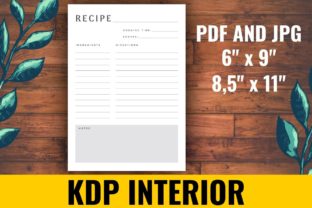
- Recipe Pages: The bulk of the interior consists of structured layouts designed for recording ingredients, instructions, and notes, alongside space for sketches or photos.
The layout provides a framework rather than a finished product. The multiple recipe pages offer flexibility, allowing users to handwrite entries or paste printed materials. From a publisher's perspective, this structure supports the "medium-content" classification, which often commands higher price points and better retention than blank journals. However, the utility of these pages depends entirely on how well they align with your target audience's specific needs. A rustic aesthetic appeals to traditional cooking enthusiasts, but the functionality must match the visual theme to generate positive reviews.
The Critical Importance of Customization
The most significant operational consideration when using this template is the necessity of transformation. Amazon’s algorithms actively identify and penalize duplicate content. If multiple publishers upload the exact same PDF interior, the platform may flag the books as repetitive, leading to suppressed visibility or account warnings. Therefore, treating this KDP Interior - Rustic Recipe Book as a raw material rather than a final product is mandatory for long-term viability.
Effective customization goes beyond changing the title. Professional publishers should consider the following modifications to create a unique intellectual property:
- Structural Changes: Add or delete pages to alter the total page count. A 100-page book is standard; a 120-page version with additional conversion charts or measurement guides becomes a distinct product.
- Visual Enhancement: Integrate original clip art, borders, or coloring elements that fit the rustic theme. This adds value and differentiates the interior visually.
- Content Injection: Include relevant quotes, cooking tips, ingredient substitution guides, or seasonal meal planners. These text-based additions significantly reduce the similarity score in Amazon's system.
- Nomenclature Updates: Rename section headers or field labels. Changing "Ingredients" to "What You'll Need" or "Instructions" to "Method" creates textual variance.
This level of editing serves two purposes: compliance with KDP terms and market differentiation. Customers can often spot stock interiors, and unique value propositions are what drive sales in competitive niches.
Audience Fit and Practical Application
This template is best suited for intermediate KDP publishers, freelance designers, and small business owners in the culinary space. It is particularly valuable for those who want to test the recipe book niche without investing hundreds of dollars in custom design. Educators and community organizers might also find it useful for creating fundraising cookbooks or class materials, provided they apply sufficient branding.
However, this resource may not fit every workflow. Publishers seeking high-end, full-bleed photography layouts or complex typography will find the no-bleed, PPT-compatible format limiting. Similarly, those unwilling to invest time in editing and customization should avoid this product, as uploading it "as-is" carries substantial platform risk. The template is a foundation for efficiency, not a substitute for creative strategy.
Evaluating Quality and Long-Term Value
In assessing the quality of the KDP Interior - Rustic Recipe Book, one must weigh convenience against uniqueness. The strengths lie in its correct technical sizing and logical pagination. The 6 x 9 no-bleed format eliminates common rejection reasons related to margin errors. The inclusion of four TOC pages demonstrates an understanding of user experience, as many competitors skimp on navigation aids.
The primary limitation is the file format. Converting PDF to PPT can sometimes result in shifted elements or font substitutions that require manual correction. Publishers must budget time for quality assurance after conversion. Additionally, because the cover is not included, creators must source or design a complementary exterior separately. This adds a step to the production pipeline but allows for greater cohesion between the cover and the customized interior.
From a return-on-investment perspective, this template offers high potential if leveraged correctly. The cost of acquiring such assets is typically low compared to hourly design rates. By spending three to five hours customizing the interior—adding unique prompts, refining the rustic aesthetic, and ensuring technical compliance—a publisher can create an asset that generates passive income for years. Conversely, skipping the customization phase renders the investment counterproductive due to platform penalties.
Strategic Recommendations for Implementation
For professionals integrating this into their publishing workflow, adopt a systematic approach. First, validate the niche demand before customizing. Search Amazon for "rustic recipe book" and analyze the bestsellers. Identify gaps in their interiors that this template could fill with modification. Perhaps existing books lack space for nutritional info or allergy notes; adding these fields makes your version superior.
Second, document your customization process. Keep track of which fonts, graphics, and structural changes you apply. This creates a repeatable system for future volumes or series. Consistency in branding across multiple products builds recognition and trust with buyers.
Finally, always order a physical proof. Digital previews cannot replicate the tactile experience of a rustic recipe book. Paper weight, ink absorption, and binding quality affect customer satisfaction. Verifying that your customized interior prints clearly and that the margins feel comfortable in hand is the final step in quality control. This diligence separates professional publishers from amateurs and directly influences review ratings and sales velocity.
The KDP Interior - Rustic Recipe Book is a pragmatic tool for the prepared publisher. It solves technical formatting challenges and provides a structured canvas for creativity. Its true worth, however, is unlocked only through deliberate modification and strategic positioning. When approached as a customizable component rather than a ready-made solution, it facilitates efficient production of distinctive, compliant, and valuable low-content books.