Japanese Writing Book KDP Template: A Practical Resource for Low-Content Publishers
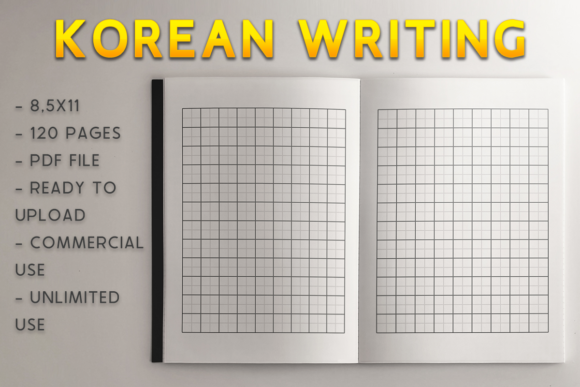
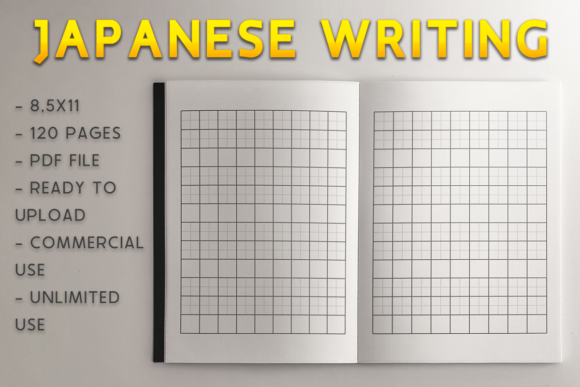
Creating a successful low-content book on Amazon Kindle Direct Publishing often comes down to the quality and specificity of the interior. For creators targeting the language learning or calligraphy niche, a dedicated Japanese Writing Book KDP Template serves as the foundational asset that bridges the gap between a generic notebook and a specialized educational tool. This specific 8.5 x 11 no-bleed PDF template is designed to eliminate the technical guesswork involved in formatting Genkou Youshi (manuscript paper) or Kana practice sheets, allowing publishers to focus entirely on cover design, keyword research, and marketing strategy.
The primary value of this template lies in its immediate usability. With 120 pages of pre-formatted content, it transforms the publishing process from a design project into a curation project. Instead of spending hours adjusting line weights, grid opacity, or margin safety zones in vector software, you receive a print-ready file that adheres strictly to KDP’s no-bleed specifications. This efficiency is crucial for adult creators aged 20–50 who are often balancing self-publishing ventures with full-time careers or other creative pursuits. The template respects your time by providing a professional-grade interior that requires zero modification before upload.
Real-World Applications for Language Educators and Tutors
One of the most practical scenarios for utilizing this Japanese writing sheet template is within the private tutoring and homeschooling sector. Many independent Japanese tutors struggle to find consistent, high-quality practice materials that they can legally reproduce or distribute to students. By using this KDP template to publish a custom workbook, tutors can create a proprietary resource that aligns perfectly with their curriculum.
For example, a tutor specializing in JLPT N5 preparation might use this template to create a "Daily Kana Drills" companion book. Because the interior is standardized, the tutor can confidently refer students to specific page numbers during lessons. The 8.5 x 11 size provides ample space for adult learners who may find standard A5 journals too cramped for practicing complex Kanji strokes. This larger format is particularly beneficial for students developing fine motor control in a second script, as it allows for broader stroke execution without the frustration of running out of grid space.
Supporting Self-Directed Adult Learners
Adult language learners represent a significant demographic in the low-content book market. Unlike children, these learners often require structured repetition without childish aesthetics. This template caters to that mature audience by offering clean, minimalist grids suitable for serious study. Self-directed learners frequently seek out physical writing practice to reinforce digital learning apps like Duolingo or Anki. A physical book created from this template offers tactile feedback that screens cannot replicate, aiding in muscle memory retention for Hiragana, Katakana, and basic Kanji.
Publishers can position books made with this template as "mindful practice" journals. The repetitive nature of copying characters is increasingly recognized as a meditative practice similar to Zentangle or adult coloring. In this context, the template isn't just an educational tool; it is a wellness product. The consistent spacing and no-bleed design ensure that the writing experience remains uncluttered and calming, which is a key selling point for adults seeking stress relief through analog activities.
Technical Considerations for No-Bleed Interiors
Understanding the "no bleed" specification is essential for maximizing the effectiveness of this template. In KDP terms, no bleed means that all content must stay within a defined safe zone, leaving a white margin around the entire page. This 8.5 x 11 template has been engineered with those margins already calculated. This is a significant advantage over bleed templates, which require precise trimming and carry a higher risk of printing errors if the PDF export settings are slightly off.
When selecting this template, consider how the inner margin (gutter) affects usability. Japanese writing traditionally flows vertically from right to left, but modern learners often practice horizontally. This template typically accommodates modern horizontal writing styles preferred by Western learners. However, publishers should always order a physical proof copy before launching. While the digital file is optimized, seeing the grid opacity and line thickness on actual cream or white paper is the only way to verify that the writing experience meets customer expectations. Ink absorption varies, and a line that looks perfect on screen might be too faint or too dark on printed paper.
Niche Differentiation Strategies
Because the interior is fixed, success with this Japanese Writing Book KDP Template depends heavily on external differentiation. You cannot change the grids, so you must change the context. Successful publishers often pair this standard interior with highly specific cover designs and metadata that target micro-niches. Rather than a generic "Japanese Practice Book," consider positioning the product for specific sub-groups:
- Anime and Manga Fans: Create covers featuring aesthetic elements relevant to Japanese pop culture, targeting fans who want to learn to read raw manga or understand anime subtitles.
- Travel Enthusiasts: Position the book as a pre-trip preparation journal for tourists planning extended stays in Japan who want to master basic navigation and etiquette scripts.
- Heritage Learners: Design for second-generation Japanese-Americans or individuals reconnecting with their ancestry, focusing on cultural pride and family communication rather than academic testing.
- Calligraphy Hobbyists: Market to artists interested in Shodo (Japanese calligraphy) who need structured practice sheets for brush pen or marker work.
By keeping the interior constant and rotating these exterior concepts, you can build a portfolio of products that serve different audiences while utilizing the same underlying asset. This approach maximizes the return on investment for the template and allows for rapid testing of market demand.
Evaluating Limitations and Best Practices
While this template offers speed and convenience, it is important to recognize its boundaries. The 120-page count is standard for many KDP notebooks, but for intensive language courses, some users may prefer thicker volumes. Publishers should be transparent about the page count in their book description to manage buyer expectations. Additionally, because this is a no-bleed design, the usable writing area is smaller than the full 8.5 x 11 dimensions. This is a feature for safety, but it must be communicated clearly so customers do not feel the margins are excessive.
Another consideration is the lack of instructional content. As a pure template, this PDF contains only grids. It does not include stroke order guides, vocabulary lists, or grammar explanations. This makes it ideal for supplementary practice but less suitable as a standalone textbook. To add value without altering the template, many creators include a "How to Use This Book" introduction or bonus digital downloads via QR codes placed on the first or last pages (within the safe zone). This hybrid approach maintains the simplicity of the KDP upload process while enhancing the perceived value for the end user.
Finally, always verify the current KDP trim size guidelines before uploading. While 8.5 x 11 is a standard industry size, platform requirements can evolve. This template is designed for current specifications, but maintaining awareness of platform changes ensures your books remain compliant and available. When used thoughtfully, this Japanese writing sheet template acts as a reliable engine for your publishing business, handling the technical heavy lifting so you can dedicate your energy to connecting with the learners and enthusiasts who need these resources most.