Optimizing Nutritional Logistics with a Comprehensive Meal Planner
Effective nutrition management is rarely about willpower alone; it is fundamentally a logistical challenge. Whether managing a household budget, adhering to clinical dietary restrictions, or optimizing performance for athletic training, the friction between intention and execution often lies in organization. A structured Meal Planner serves as the operational bridge between nutritional goals and daily reality. By externalizing decision-making onto paper or digital formats, individuals and professionals can reduce cognitive load, minimize food waste, and create sustainable systems for long-term health.
The Cognitive Science of Dietary Organization
Decision fatigue is a well-documented psychological phenomenon where the quality of decisions deteriorates after a long session of making choices. In the context of nutrition, this often manifests at 5:00 PM when mental energy is depleted. Without a pre-established plan, the path of least resistance usually leads to convenience foods that may not align with health or budgetary objectives. Utilizing a dedicated planning tool shifts the decision-making process to a time of higher cognitive function, typically during a weekly review session.
This strategic separation of planning and execution is critical for diverse audiences. For educators and researchers studying behavioral economics, the meal plan represents a tangible commitment device. For busy professionals, it acts as an executive assistant for domestic logistics. The 8.5 x 11 dimensions commonly found in comprehensive planners are not arbitrary; they mirror standard letter-size paper, allowing for sufficient whitespace to detail recipes, grocery lists, and prep schedules without feeling cramped. This physical footprint supports detailed annotation, which reinforces memory retention and commitment to the planned menu.
Technical Specifications and Format Versatility
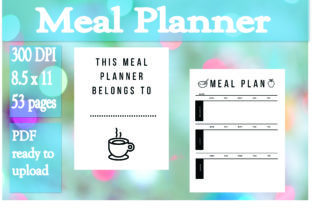
When selecting or designing a nutritional tracking system, format dictates utility. A high-quality Meal Planner containing 53 pages offers a specific balance between depth and portability. This page count is significant because it provides enough volume for extended tracking cycles—typically covering three to six months depending on usage frequency—without becoming unwieldy. This duration aligns with habit formation research, which suggests that sustained consistency over several months is necessary to solidify new behavioral patterns.
The PDF-ready nature of modern planners introduces essential flexibility for today’s hybrid workflows. Digital compatibility allows users to:
- Integrate with Tablet Ecosystems: Import the file directly into note-taking apps like GoodNotes or Notability for stylus-based interaction.
- Maintain Cloud Synchronization: Access plans across devices, ensuring the grocery list is available on a phone while shopping.
- Print On-Demand: Produce physical copies only when necessary, reducing paper waste and allowing for customization of specific sections.
- Preserve Formatting Integrity: Ensure that tables, checkboxes, and layout structures remain consistent regardless of the viewing platform.
For business owners and creators in the wellness space, this format also serves as a scalable product or client resource. The standardized 8.5 x 11 size ensures compatibility with standard home printers and professional binding services alike, making it a versatile asset for both personal use and commercial distribution.
Strategic Applications Across User Segments
The utility of a structured planning system extends far beyond simple recipe storage. Different demographics leverage these tools to solve distinct problems, transforming a generic document into a specialized instrument for efficiency.
Clinical and Therapeutic Management
For dietitians, nutritionists, and patients managing conditions like diabetes, IBS, or food allergies, precision is non-negotiable. A 53-page planner provides the necessary granularity to track macronutrients, allergen exposure, and symptom correlation over time. Unlike basic calendar apps, a dedicated planner often includes space for noting post-meal reactions or energy levels, creating a dataset that informs medical adjustments. The physical act of writing these observations can also enhance patient mindfulness and adherence to therapeutic protocols.
Household Financial Optimization
Inflation has made grocery budgeting a primary concern for consumers. A comprehensive planner functions as a financial control mechanism. By planning meals around sales flyers, seasonal produce, and pantry inventory before shopping, households can significantly reduce impulse purchases and spoilage. The "grocery list" section of a planner is effectively a budget allocation tool. When users visualize the week's consumption against their financial constraints on paper, they are more likely to make cost-effective substitutions proactively rather than reactively at the checkout line.
Professional Culinary and Content Development
Chefs, food bloggers, and recipe developers require rigorous testing frameworks. A structured planner serves as a development log where iterations of a dish can be tracked alongside sourcing notes and timing adjustments. The 8.5 x 11 format accommodates detailed prep timelines and plating sketches that smaller journals cannot support. For content creators, this organized archive becomes a valuable intellectual property library, streamlining the process of repurposing tested recipes into cookbooks or digital courses.
Maximizing Utility Through Intentional Design Features
Not all planning systems yield equal results. The effectiveness of a Meal Planner depends heavily on its internal architecture. Users should evaluate potential tools based on functional elements that support real-world complexity rather than aesthetic minimalism alone.
Inventory Integration: Superior planners include dedicated sections for pantry, freezer, and refrigerator audits. This prevents the common error of buying duplicates or forgetting perishables. By forcing a review of existing assets before new acquisitions, the system promotes resourcefulness and reduces environmental impact.
Prep-Forward Layouts: Cooking is only one phase of meal management. Washing, chopping, marinating, and batch-cooking are equally vital. Planners that allocate space for "prep tasks" separate from "meal events" help users distribute labor throughout the week. This is particularly relevant for working parents and professionals who cannot dedicate entire Sundays to kitchen work but can utilize thirty-minute windows on weeknights.
Reflection and Iteration Zones: Static plans fail because life is dynamic. Pages that include rating systems, leftover tracking, or "notes for next time" transform the planner from a directive command into a feedback loop. This iterative approach allows users to refine their preferences and identify patterns, such as consistently overestimating portion sizes or underestimating preparation time for specific cuisines.
Implementation Strategies for Sustainable Usage
Acquiring a planner is insufficient; integrating it into a routine requires deliberate strategy. Experience shows that users who treat meal planning as a flexible framework rather than a rigid contract achieve higher long-term adherence.
- Establish a Weekly Anchor Point: Designate a specific, recurring time slot for planning. Consistency in timing builds the habit faster than consistency in content. Even if the plan changes later, the ritual of reviewing the upcoming week establishes mental preparedness.
- Adopt Modular Planning: Rather than scripting every single meal, plan core components (proteins, grains, vegetables) that can be mixed and matched. This reduces the pressure of perfection and accommodates unexpected schedule changes. A 53-page planner supports this by providing ample space for component-based lists rather than just daily grids.
- Leverage Digital-Physical Hybrids: For those transitioning from analog to digital or vice versa, use the PDF version for drafting and experimentation, then print finalized versions for kitchen reference. This reduces ink costs and allows for messy brainstorming without ruining a pristine physical journal.
- Audit Quarterly: Use the substantial page count to conduct quarterly reviews. Look back at previous months to identify seasonal preferences, recurring waste points, or successful budget strategies. This longitudinal analysis turns raw data into actionable wisdom.
Evaluating Return on Investment
When assessing the value of a nutritional organization tool, consider the total cost of disorganization. Spoiled groceries, frequent takeout orders, and the mental tax of daily indecision carry significant financial and emotional costs. A well-structured Meal Planner mitigates these expenses through systematic prevention.
For professionals and business owners, the ROI also includes time reclamation. Hours previously spent wondering "what's for dinner" or making emergency grocery runs are redirected toward high-value activities. For educators and researchers, the value lies in the generation of reliable personal data that can inform broader understanding of human behavior and health.
Ultimately, the choice of a planner with 53 pages in an 8.5 x 11 PDF-ready format reflects a preference for substance over novelty. It acknowledges that meaningful lifestyle change requires adequate space for documentation, reflection, and adaptation. Whether printed and bound or utilized on a tablet, such a tool represents a commitment to treating nutrition with the same level of strategic planning applied to other critical areas of professional and personal life. The result is not merely a record of what was eaten, but a blueprint for how one chooses to live.