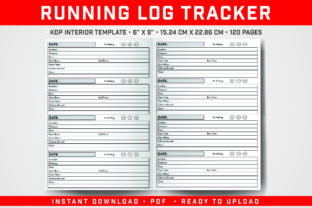
Running Log Tracker: Optimizing Performance Through Structured Data Collection
Achieving consistency in endurance training requires more than physical effort; it demands a systematic approach to recording and analyzing performance metrics. For runners ranging from recreational joggers to competitive athletes, the Running Log Tracker serves as the foundational tool for transforming raw activity into actionable intelligence. While digital applications offer convenience, a dedicated physical logbook provides a tactile, distraction-free environment for reflection that enhances mental engagement with training data. This structured method of documentation allows users to identify patterns, prevent injury through early warning signs, and maintain long-term accountability without the interference of screen fatigue or notification overload.
The Cognitive Advantage of Analog Tracking
In an era dominated by wearable technology and GPS watches, the decision to utilize a physical Running Log Tracker may seem counterintuitive. However, the act of handwriting training details engages different cognitive processes than tapping a screen. Research in educational psychology suggests that manual writing improves memory retention and conceptual understanding. When a runner physically records their mileage, pace, and perceived exertion, they are forced to slow down and process the workout's quality rather than merely acknowledging its completion.
This deliberate pause creates a feedback loop between body and mind. Digital devices often provide immediate, automated summaries that can lead to passive consumption of data. Conversely, a physical log requires active synthesis. The user must interpret how a specific interval session felt relative to the recorded time, fostering a deeper sense of body awareness. This mindfulness is critical for distinguishing between productive fatigue and potential overtraining, a nuance that algorithms frequently miss. By externalizing these observations onto paper, runners create a tangible history of their athletic journey that exists independently of battery life or software updates.
Technical Specifications for Publishing Compliance
For creators and publishers utilizing this resource on Amazon Kindle Direct Publishing (KDP), adherence to precise technical standards ensures a seamless production process. The Running Log Tracker is engineered specifically to meet these rigorous requirements, eliminating common formatting errors that delay publication.
- Trim Size: 6 x 9 inches (15.24 cm x 22.86 cm). This industry-standard dimension offers optimal portability for athletes while providing sufficient surface area for detailed entries.
- Page Count: 120 pages. This volume strikes a balance between durability and weight, offering enough capacity for several months of daily tracking without becoming cumbersome.
- Bleed Settings: No Bleed. All content is contained within safe margins, ensuring that no text or lines are trimmed during the binding process.
- Resolution: 300 DPI. High-resolution formatting guarantees crisp lines and legible text, which is essential for a functional workbook where users must write clearly within designated spaces.
- Orientation: Portrait. The vertical layout aligns with natural reading and writing ergonomics, facilitating quick entries post-run.
- File Format: Single PDF. A flattened, print-ready PDF prevents font substitution issues and maintains layout integrity across different printing facilities.
These specifications have been validated against current KDP guidelines, making the file ready for immediate upload. The inclusion of an opening page establishes professional presentation, while the interior layout maximizes usable space for data entry.
Essential Data Fields for Comprehensive Analysis
An effective Running Log Tracker moves beyond simple distance and time recording. To derive genuine value from the log, the layout must encourage holistic documentation. The most insightful logs capture the intersection of quantitative metrics and qualitative experience. Key fields should include:
Physiological Metrics
While pace and distance are standard, incorporating resting heart rate and sleep quality provides context for performance fluctuations. A runner might maintain a consistent pace but experience elevated heart rates, signaling systemic stress or impending illness. Documenting these variables allows for correlation analysis over weeks and months. Weight tracking, if relevant to the athlete’s goals, should also be included to monitor hydration status and nutritional adequacy.
Environmental and Equipment Context
External factors significantly influence running economy. Recording weather conditions, terrain type, and footwear mileage helps isolate variables affecting performance. For example, a slower pace on a humid day with high heat index is expected, whereas the same pace on a cool day might indicate fitness regression. Similarly, tracking shoe mileage prevents injuries associated with worn-out cushioning. A dedicated section for equipment notes ensures that gear replacement is based on empirical usage rather than guesswork.
Subjective Feedback and Mental State
The "Notes" section is arguably the most valuable component of any Running Log Tracker. This space accommodates descriptions of pain, energy levels, motivation, and nutrition strategies. Over time, these narrative entries reveal triggers for both peak performances and burnout. Noting pre-run meals helps identify digestive issues or energy crashes, while documenting mental state can uncover psychological barriers to consistency. This qualitative data transforms the log from a mere spreadsheet into a personalized coaching manual.
Strategic Applications Across User Demographics
The utility of a structured running log extends across diverse user groups, each with distinct objectives and analytical needs. Understanding these varied applications highlights the versatility of the format.
Competitive Athletes and Coaches
For elite performers, the log serves as a verification tool for periodization plans. Coaches can review physical logs to assess athlete honesty and compliance, as handwritten notes often reveal struggles that athletes might omit in verbal check-ins. The historical record aids in tapering strategies by referencing previous successful cycles. During injury rehabilitation, the log tracks the gradual reintroduction of load, ensuring progression remains within safe physiological limits.
Recreational Runners and Hobbyists
Casual runners benefit primarily from habit formation and motivation. Seeing a streak of completed workouts visualized on paper reinforces behavioral consistency. For those training for specific events like marathons or half-marathons, the log provides a confidence boost by documenting cumulative preparation. It also serves as a souvenir of personal achievement, preserving memories of significant races and breakthrough moments that digital files might obscure or lose.
Researchers and Educators
In academic or clinical settings, standardized running logs facilitate data collection for studies on exercise physiology, sports psychology, or biomechanics. The uniform structure of a professionally formatted Running Log Tracker reduces variability in self-reported data. Educators in physical therapy or sports science programs can use these logs to teach students how to monitor client progress and adjust interventions based on longitudinal feedback. The physical artifact demonstrates the importance of meticulous record-keeping in professional practice.
Integrating the Log into Daily Workflow
Sustainability depends on integrating the Running Log Tracker seamlessly into existing routines. Friction is the enemy of consistency; therefore, the logging process must be efficient. Best practices suggest completing the entry immediately post-run or during the cool-down phase when sensory details are freshest. Delaying documentation increases the likelihood of forgetting crucial subjective nuances or abandoning the habit entirely.
Weekly reviews amplify the log’s effectiveness. Setting aside fifteen minutes each Sunday to scan the past week’s entries allows for micro-adjustments to upcoming training. This regular audit prevents small issues from becoming chronic problems. Users should look for trends such as declining sleep quality correlating with increased mileage, or persistent soreness in specific muscle groups. These insights inform decisions about rest days, cross-training, or nutritional adjustments.
Monthly retrospectives provide a broader perspective. Comparing current month totals against previous months or seasonal goals validates training efficacy. This higher-level analysis helps maintain motivation during plateaus by highlighting long-term progress that daily fluctuations might mask. The physical nature of the book makes this review process distinct from scrolling through app graphs; turning pages creates a temporal landmark that reinforces the passage of time and accumulation of effort.
Considerations for Long-Term Archival and Reference
Unlike cloud-based platforms that may change ownership, alter privacy policies, or cease operations, a physical Running Log Tracker offers permanent data sovereignty. Years of training history remain accessible without internet connectivity or subscription fees. This permanence is particularly valuable for aging athletes who wish to reference past performances to set realistic age-graded goals or manage chronic conditions.
When selecting or designing a log for KDP, paper quality considerations matter for archival longevity. While standard KDP paper is suitable for ballpoint and pencil, users employing gel pens or markers should be aware of potential bleed-through. The "No Bleed" specification refers to printing margins, not ink absorption. Creators should advise users on appropriate writing instruments to preserve page integrity. Additionally, the 6x9 size fits standard shelving, allowing runners to build a library of training years that can be easily referenced alongside medical records or coaching notes.
Ultimately, the value of this tool lies in its ability to bridge the gap between intention and execution. By providing a structured yet flexible framework for documentation, the Running Log Tracker empowers users to take ownership of their athletic development. Whether used for elite performance optimization, health management, or personal enrichment, it remains an indispensable instrument for anyone serious about understanding the relationship between effort and outcome. The ready-to-upload PDF format ensures that publishers can deliver this resource efficiently, supporting the broader community of runners seeking clarity in their pursuit of endurance.